Maxx Restoration Logo

Symptoms of MOLD Exposure | Maxx Restoration Health Guide

Maxx Restoration

Table of Contents

December 16, 2023 | Mold Remediation

All information provided in this blog is of the sole opinion of Maxx Restoration, any statements, claims, or comparisons should be fact checked by reader, furthermore some information in this blog may be for entertainment purpose and should not be considered factual. Lastly, many photo’s shown are for visual reference and may not be real projects . Should you find any information in this post to be inaccurate or protected please contact Maxx Restoration at 515-802-7583 or CLICK HERE To Send Message and our team will address it immediately.

Mold is a type of fungus. “Black mold” refers to several species of mold that have a dark green or black appearance. One such type is Stachybotrys chartarum.

The color of a mold isn’t associated with how dangerous it may be, according to the Centers for Disease Control 

Molds thrive in warm, frequently moist environments, including baths, showers, toilets, kitchens, and basements. They can also grow on wood, dirt, or paper.

Mold may grow even more plentifully in humid climates or if you use a humidifier indoors.

Regardless of color, all toxic molds should be removed from buildings and homes.

Learn the effects of mold exposure, treatment options, and steps you can take to reduce mold in your home from the Centers for Disease Control.

What are the symptoms of mold exposure?

Mold can affect people in different ways, and it sometimes causes no symptoms at all. Others may experience the following common symptoms if you’re sensitive to mold. These symptoms may be more severe if you have an allergy to mold:

coughing, wheezing, nose stuffiness, red or itchy eyes, skin rash, sore throat. 

So, pretty much the same as if you caught the flu. Particular molds may also cause an asthma attack in people with asthma and increase breathing difficulty in those with a chronic respiratory disease. People with weakened immune systems are also at a higher risk of fungal infections in general, which can include lung infections due to molds. Mold exposure may also particularly affect children and the elderly. 

How are mold allergies and exposure diagnosed?

Besides considering your signs and symptoms, the Mayo Clinic states that your doctor might conduct a physical examination to identify or exclude other medical problems. Tests used to identify an allergy include:

  • Skin prick test. This test uses diluted amounts of common or suspected allergens, such as molds found in the local area. During the test, these substances are applied to the skin of your arm or back with tiny punctures. If you’re allergic, you develop a raised bump (hive) at the test location on your skin.
  • Blood test. A blood test, sometimes called the radioallergosorbent test, can measure your immune system’s response to mold by measuring the amount of certain antibodies in your bloodstream known as immunoglobulin E (IgE) antibodies. A blood sample is sent to a medical laboratory, where it can be tested for evidence of sensitivity to specific types of mold.

Treatment

The best way to manage an allergy is to avoid exposure to triggers. However, mold is very common, and you can’t completely avoid it.

While there’s no sure way to cure allergic rhinitis caused by a mold allergy, a number of medications can ease your symptoms here is a link to the Mayo Clinic for a list of recommended treatments. 
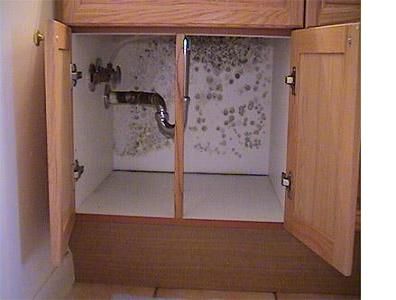
Mold Inside Sink Cabinet

Tips for Controlling Mold In Your Home

It’s impossible to get rid of all mold and mold spores in your home, but because mold spores can’t grow without moisture, reducing moisture in your home is the best way to prevent or eliminate mold growth. If there is already mold growing in your home, it’s important to clean up the mold and fix the problem causing dampness. If you clean up the mold but don’t fix the problem, the mold will most likely return.

Following is some advice for reducing moisture throughout the home with specific tips for the areas most prone to dampness and mold growth:

  • The Use dehumidifiers and air conditioners, especially in hot, humid climates, will reduce moisture in the air.
  • Keep your indoor humidity below 60% whenever possible. You can measure relative humidity with a hygrometer, an inexpensive instrument available at many hardware stores.
  • Keep HVAC drip pans clean and dry. Make sure drain lines are free of obstructions and flow properly.
  • In cool weather, ensure you are keeping the area warm. Remember as the temperature goes down, the air is less able to hold moisture and it causes condensation on cold surfaces, which can encourage mold growth.
  • Add insulation to areas such as exterior walls, floors, attics, and around windows to reduce condensation.
  • Clean up wet areas within 24 to 48 hours to prevent mold growth.
  • Fix leaks and seepage. The landscape around your foundation should slope away from your house. If water is entering the house from the outside, many times a simple landscaping alteration can alleviate an extensive excavation and waterproofing.
  • Schedule a Licensed / Qualified Heating and Cooling contractor check your heating and cooling system to make sure it’s sized and operating properly to remove humidity. If your system is too big or the airflow is incorrect, your air conditioner will not remove humidity like it should. Also, ask the contractor to check your duct system for air leaks, and proper size and air flow to each room.
  • Allow your home to circulate the air, open doors between rooms to increase circulation. You can also increase air circulation by using fans and by moving furniture and other items from wall corners.

Finished Basment

Tips For Basements & Crawl Spaces:

  • Put a plastic cover over dirt in crawl spaces to prevent moisture from coming in from the ground. If there is standing water or the soil is wet, dry it out with fans before covering the floor.
  • Be sure crawl spaces are well ventilated by using fans and having vents installed in outside walls if necessary.
  • Consider applying paint or sealer to concrete floors and using area rugs instead of wall-to-wall carpet in basements. If you plan to install carpet over a concrete floor, it may be necessary to use a vapor barrier (plastic sheeting) over the concrete and cover that with sub-flooring (insulation covered with plywood) to prevent a moisture problem.
  • Water can enter your home by leaking or by seeping through basement floors or walls so have your basement floor checked for leaks and have them repaired if necessary. 
  • Ensure gutters are working properly and that outdoor landscaping causes water to run away from — not toward — the house.
  • Do not plan to have a finish basement unless your basement is dry.

Mold Remediation

Mold Removal:

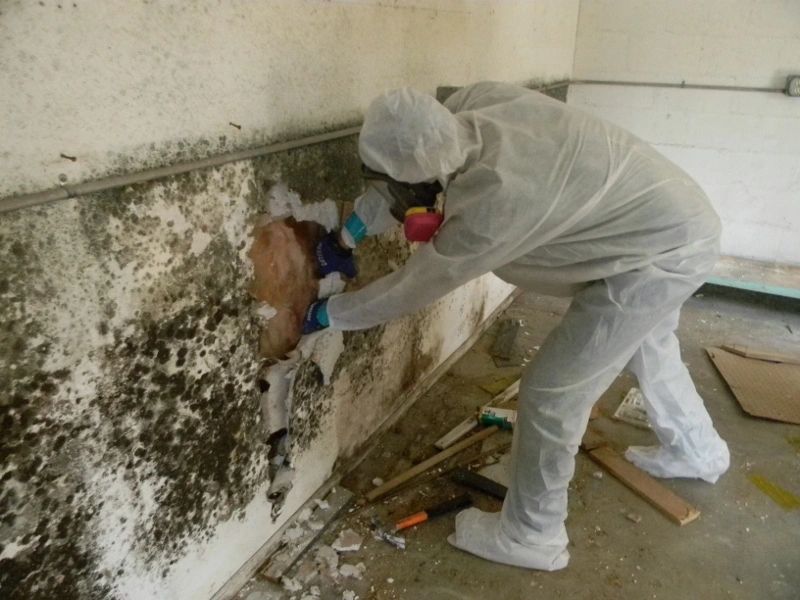
 Mold removal is NOT ideally a “do it yourself job”. Mold removal requires professional treatments, equipment and training. Treating mold with household chemicals many times cause mold to spread and create more costly issues in your home, not to mention the health hazards to the occupants exposed to these chemicals. 

We at Maxx Restoration use a three-step process for mold removal.

  • Staging: We isolate the area with containment and equipment.
  • Source Removal: Removal of affected materials and clean up of the indoor air. 
  • Completion: When needed air sampling of the affected area gives the final determination that the levels are back within acceptable rage. 

Because of our commitment to our high standards we offer a 1 year restoration guaranty so you can have confidence that it is done correctly (contact us for the details). 

Maxx Restoration is Licensed and certified for removing mold. Our technicians are trained on proper mold removal / mold remediation procedures in accordance with the Institute of Inspection Cleaning and Restoration Certification (IICRC) S-520. Contact Maxx Restoration for professional mold removal. 

Leave a Reply

Your email address will not be published. Required fields are marked *

Let’s work together

Contact us today to schedule a consultation. We look forward to working with you and making your dream project a reality.
We proudly serve the
Des Moines, Iowa area
and surrounding
areas .

Membership

© 2026 Maxx Restoration. All Rights Reserved