
When it comes to homeownership, understanding your home insurance policy is one of the most critical tasks. Some homeowners may be shocked to find out that their home insurance does not cover mold removal. Mold can wreak havoc, causing not only extensive property damage but also serious health risks. In this blog post, we’ll explore the reasons why homeowners’ insurance policies may exclude coverage for mold removal, the implications for homeowners, and important steps to mitigate mold risk.
All information provided in this blog is of the sole opinion of Maxx Restoration, any statements, claims, or comparisons should be fact checked by reader, furthermore some information in this blog may be for entertainment purpose and should not be considered factual. Lastly, many photo’s shown are for visual reference and may not be real projects . Should you find any information in this post to be inaccurate or protected please contact Maxx Restoration at 515-802-7583 or CLICK HERE To Send Message and our team will address it immediately.
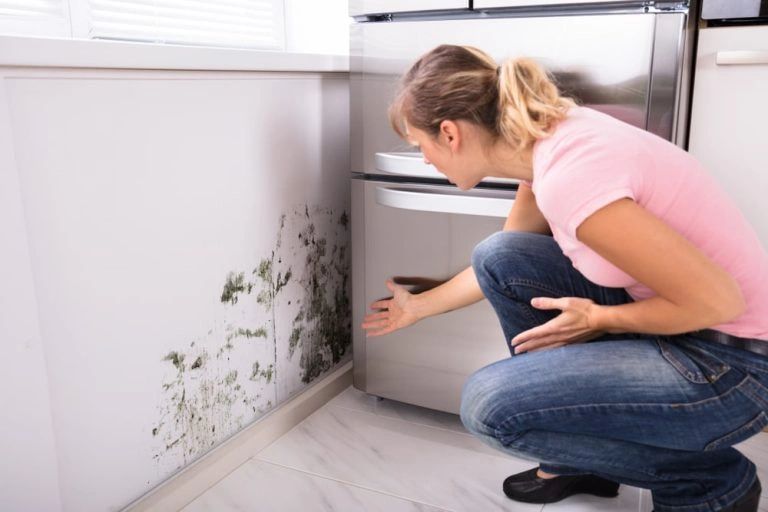
Mold is a common fungus that thrives in damp, humid environments. It can grow on various surfaces such as wood, drywall, and insulation, leading to substantial damage and potential health problems. Mold spores can circulate in the air, and exposure may trigger allergies, asthma, and other respiratory issues. Therefore, mold removal is crucial not just for structural integrity but also for health safety in your home.
1. Named Perils and Policy Limitations
One of the reasons why home insurance doesn’t cover mold removal is due to “named perils.” some homeowners’ insurance policies only cover specific risks or events detailed in the policy, such as fire, theft, or sudden water damage. Mold damage may fall under gradual deterioration—something insurers typically categorize as a maintenance responsibility rather than a sudden loss.
For instance, if you experience a slow leak in your roof and it leads to mold growth, your homeowner’s insurance won’t cover the mold removal because it didn’t result from a sudden, accidental event. Homeowners need to understand their insurance policies’ “named perils” clauses to gauge what is covered when it comes to mold.
2. Negligence and Maintenance Issues
Homeowners have a fundamental responsibility to maintain their property. If mold growth results from the homeowner’s negligence—like failing to fix a leaky roof or not promptly attending to water damage—insurance companies may deny claims based on policy exclusions. This principle encourages homeowners to proactively maintain their homes and deal with potential issues before they escalate.
3. Limited Coverage and Exclusions
Even if a home insurance policy does mention mold, the coverage can be severely limited. Even if there is coverage, many policies cap mold removal expenses at a specific dollar amount, which may not be sufficient to cover comprehensive mold remediation costs. Homeowners usually find that they are left paying significant out-of-pocket expenses when mold becomes a problem due to these restrictions. Therefore, it is vital to read and understand the terms associated with mold cleaning and restoration in your specific policy.
1. “All Water Damage is Covered”
One prevalent misconception among homeowners is that any water damage will automatically cover mold removal costs. Unfortunately, this is often not true. Homeowners’ insurance typically covers only sudden and accidental water damage—such as a burst pipe—not gradual issues like leaking roofs or walls, which often lead to mold growth.
2. “My Agent Assured Me Mold is Covered”
While insurance agents provide valuable guidance on home insurance policies, it’s crucial for homeowners to conduct due diligence. Coverage details, especially regarding issues like mold, can vary widely between policies. Therefore, it is essential for homeowners to clarify coverage terms directly with their insurance providers.
1. Regional Differences in Insurance Policies
Homeowners’ insurance coverage can differ based on geographic location. Regions prone to humidity or flooding may have stricter mold exclusions. Homeowners in these conditions should carefully review their policies and may want to consider options like flood insurance or specific endorsements that provide additional protection against mold damage.
2. Variability Among Policy Types
Not all types of home insurance provide the same level of mold protection. For example, a standard HO-1 policy typically offers very limited coverage compared to an HO-3 policy, which may provide more extensive coverage under certain conditions. Homeowners should weigh their unique risks and choose a policy that fits their needs regarding mold coverage.
1. Out-of-Pocket Expenses for Mold Remediation
With many home insurance policies excluding mold removal, homeowners can face significant out-of-pocket costs for mold remediation. Depending on the severity, professional mold remediation can cost anywhere from a few hundred to several thousand dollars. This unpredictability can strain finances, especially if not accounted for in the homeowner’s budget.
2. Health Risks Associated with Mold Exposure
Ignoring mold problems can lead to serious health risks, especially for sensitive individuals. Long-term exposure to mold can exacerbate respiratory conditions and allergies, creating an urgent need for mold remediation. It’s essential for homeowners to be vigilant and prioritize mold removal to protect their health and well-being.
1. Conduct Regular Home Inspections
To prevent mold growth, homeowners should
conduct regular inspections of their properties. Checking for leaks, water damage, and areas of excessive moisture can help catch potential problems before they escalate into significant mold issues. Regular inspections should include:
2. Improve Home Ventilation Proper ventilation is key to controlling indoor humidity levels, especially in areas prone to moisture. Homeowners can enhance ventilation by:
3. Control Indoor Humidity Levels
Managing humidity levels is essential for preventing mold growth. Ideally, indoor humidity should be kept below 60%. Here are some tips to control moisture:
4. Address Water Damage Immediately
If water damage occurs, whether it’s from a natural disaster, appliance failure, or plumbing issues, it’s crucial to act promptly. Take the following steps:
5. Consider Additional Mold Coverage
If your home is in a region prone to mold exposure, or if you have specific risks, it may be worth investing in additional coverage for mold removal. Speak with your insurance agent about adding a mold endorsement to your policy to enhance your financial protection against mold-related expenses.
By following preventive measures—such as regular inspections, controlling humidity, maintaining proper ventilation, and addressing water issues promptly—you can significantly reduce the risk of mold formation in your home. Furthermore, knowing your options for additional mold insurance coverage can provide peace of mind, ensuring both your home and health are protected. If you need professional assistance or have questions about mold damage, contact the professionals at Maxx Restoration of Iowa. Call 515-802-7583 or schedule online today!