
March 17, 2024|Mold Remediation

Black mold is one of the most dangerous types of mold that can grow inside a home. Known for its toxic properties and rapid spread, black mold (Stachybotrys chartarum) thrives in damp, poorly ventilated environments and poses serious health and structural risks. At Maxx Restoration, we specialize in identifying and safely removing black mold, helping homeowners reclaim a clean, safe, and healthy space.
If you suspect mold in your home, early intervention is critical—black mold can’t be ignored. What may start as a faint odor or small dark patch can quickly grow into a serious infestation that endangers your home and your family.
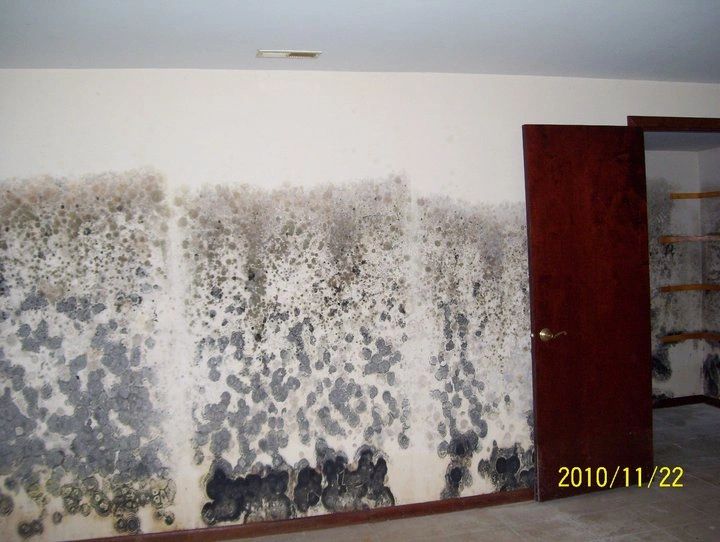
Because black mold feeds on cellulose-rich materials (like wood, paper, and insulation), it’s particularly destructive in attics, basements, and wall cavities. It can remain hidden behind surfaces for months before becoming visible, which is why professional inspection is essential.
Prolonged exposure to black mold can cause severe health effects, especially in children, the elderly, and individuals with respiratory conditions or compromised immune systems.
In more serious cases, exposure to mycotoxins from black mold has been linked to memory loss, anxiety, and even organ damage. Individuals with existing respiratory illnesses, like COPD or asthma, are at significantly higher risk of complications from black mold exposure.
Black mold thrives in areas with constant moisture, low airflow, and organic materials to feed on.
Homes that have experienced recent flooding, sewer backups, or plumbing leaks are more likely to develop black mold problems. Even newer homes can develop mold issues if attic ventilation is poor or if bathroom exhaust fans are routed improperly into crawl spaces or roof cavities.
Maxx Restoration Black Mold Removal, begins with our IICRC-certified team follows a detailed, safety-first protocol to identify and eliminate black mold from your home. Every remediation job is handled with precision, care, and a focus on long-term prevention.
We begin by assessing visible and hidden mold using visual inspection, thermal imaging, and air sampling. Identifying mold species and the extent of the spread ensures an accurate remediation plan.
Mold spores become airborne when disturbed. To prevent cross-contamination, we seal off the affected area with physical barriers and apply negative air pressure systems.
We safely remove all contaminated materials, including drywall, insulation, and carpeting. Non-porous surfaces are cleaned using HEPA vacuums and antimicrobial solutions.
HEPA-filtered air scrubbers operate continuously during the cleanup to capture airborne spores and improve indoor air quality.
We use high-powered air movers and dehumidifiers to eliminate all residual moisture. Mold cannot grow in dry environments, so this step is crucial.
After cleanup, we perform a final round of air and surface testing to confirm that all mold has been removed and that conditions are safe for reoccupancy.
Black mold removal should never be a DIY project. Improper handling can spread spores and increase health risks. Trust the experts at Maxx Restoration for fast, certified remediation.
We also offer moisture management consulting, which includes recommendations for improving ventilation, insulation, and drainage to prevent mold from returning.
The best way to avoid black mold is to eliminate its environmental triggers. Prevention requires a combination of proper ventilation, regular maintenance, and humidity control.
Routine inspections, especially after storms or plumbing issues, can catch early signs of moisture problems before mold has a chance to grow.
If you notice black spots, musty odors, or worsening allergy symptoms, call for a professional inspection. We use air quality tests and visual assessments to confirm mold type.
DIY cleaning is not recommended. Disturbing black mold can release harmful spores into the air. Certified professionals use safe containment and removal procedures.
Not all dark molds are toxic, but black mold species like Stachybotrys can produce harmful mycotoxins. It’s best to treat all mold with caution.
Most projects take between one and five days, depending on the extent of mold growth and the size of the affected area.
Not if the moisture problem is resolved. We address the root cause and provide prevention strategies to keep your home mold-free.
Yes. A known mold problem can lower your home’s value or complicate the sale. Professional remediation and documentation protect both your property and its resale potential.
If you suspect black mold in your home, don’t wait. Maxx Restoration offers professional inspection, certified removal, and full restoration services to make your space safe again. We help homeowners throughout the region recover from mold infestations with confidence and clarity.
Call now or schedule a consultation at https://maxxrestoration.com. Breathe easier and live healthier with Maxx Restoration by your side.