
Having homeowner’s insurance is pretty much a must for the majority of homeowners, but have you ever read your policy? For many of us, it feels like we are ready to learn a foreign language.

All information provided in this blog is of the sole opinion of Maxx Restoration, any statements, claims, or comparisons should be fact checked by reader, furthermore some information in this blog may be for entertainment purpose and should not be considered factual. Lastly, many photo’s shown are for visual reference and may not be real projects . Should you find any information in this post to be inaccurate or protected please contact Maxx Restoration at 515-802-7583 or CLICK HERE To Send Message and our team will address it immediately.
You may feel overwhelmed reading your insurance policy, mostly because insurance policies can be impossible to read. But that doesn’t let you off the hook, should you have a claim, and that particular coverage is not included. At the very least, understand what the coverages in your policy mean, says Charlie Wendland, head of claims at Branch, an online insurance startup.
For example, some policyholders assume that water backup coverage is the same as flood insurance; these are very different coverages.
Water backup is very specific to only limit coverage to damage caused due to a backup of a sewer drain or a sump pump,” he says. Misunderstanding (or failing to read) your policy can lead to disappointment and almost always results in a poor customer experience during the claims process, says Wendland. Here are some other reasons a “water damage insurance claim is denied”
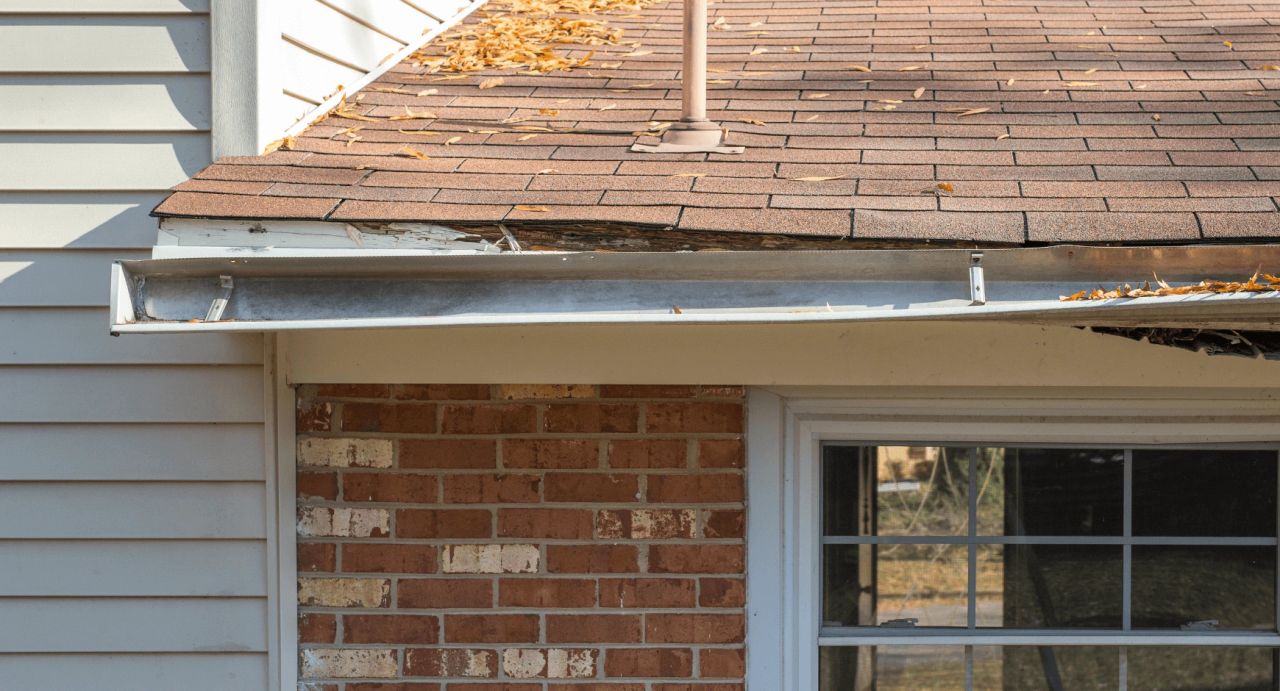
Home insurance is for unexpected damage, not problems you could avoid with regular upkeep.
Maxx Restoration helps homeowners across Iowa with repairs to their homes, we see too often neglecting the maintenance of your home will lead to problems that may not be covered by home insurance. For example, damage from a frozen water pipe that suddenly bursts causing water damage is likely covered however, for those in areas of propane fuel for their heat source, should you run out of fuel and your pipes freeze as a result of no heat, this may be a denied claim. Another example, storm damage to your roof is typically a covered claim, although if your roof is leaking due to neglect or poor maintenance, your claim will likely be denied.

Don’t delay filing a claim. It may cause more damage to your home.
In our 25 years of restoring homes throughout Iowa, I can tell you the damage never gets better with time, We recommend that when you’re filing a home insurance claim, initiate the claims process as soon as possible. This can help get repairs going sooner, lessening the time you’re dealing with the repair process Some companies will provide you up to one year to file a claim, but it depends on the carrier and the state laws.
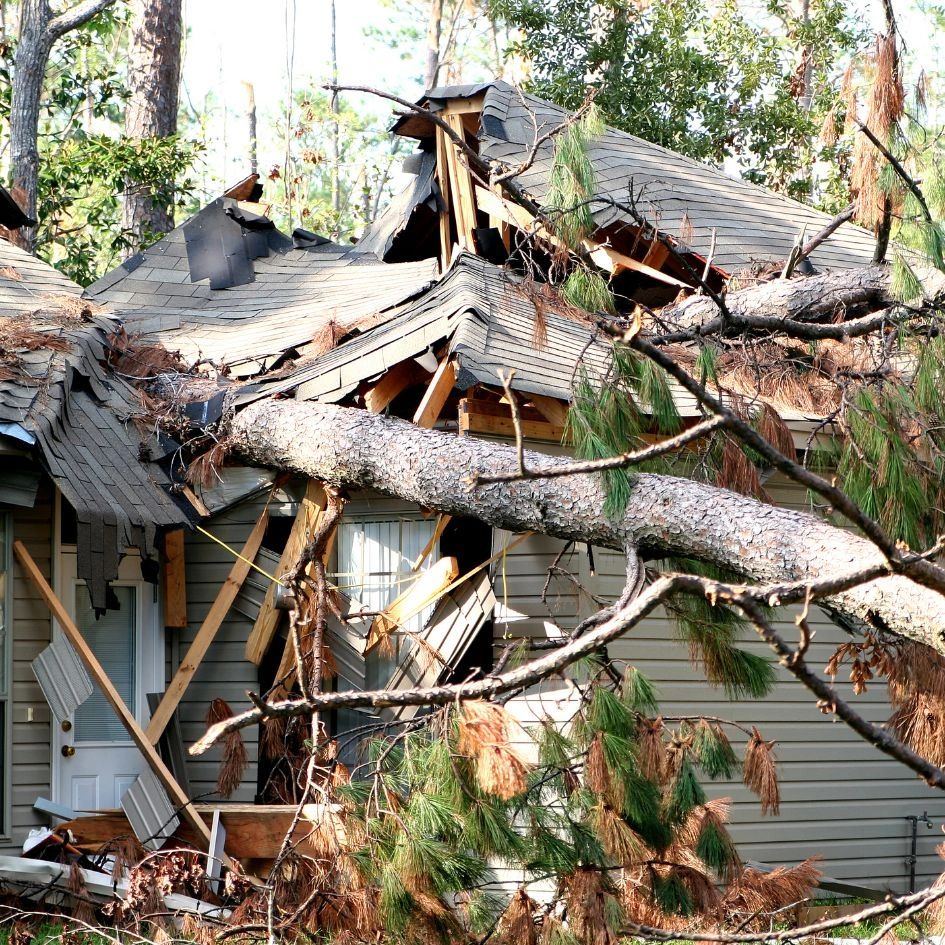
Significant property damage can be complex, expensive, and take months to resolve. During this time your inundated with meeting contractors and insurance adjusters trying to provide information, decide a course of action, all while trying to keep up your career and possibly your family.
Hiring a full-service, qualified company like Maxx Restoration will lift a tremendous amount of stress from you. They document all work necessary information, provide this to the insurance company to get your home back to the condition it was prior to the damage. Maxx Restoration will assign a project manager to your project who will meet with your insurance company’s adjusters to ensure your best interest is the top concern.

A failure to document damage can be a costly error if your planning on filing a home insurance claim. ALWAYS take lots of pictures. Although your Maxx Restoration assigned project manager will take lots of pictures, we always encourage our clients they too should take lots of pictures. A lot of time spans between the beginning and the finish and your pictures may have additional information that could save you time and money.
Photos can be your best your friend when you’re filing a claim. Ideally, you’ll have “before” and “after” photos that show the extent of the damage to your home.
Contact your insurance company as soon as possible after the event. Insurers like Nationwide have 24/7 phone numbers and online apps, in addition to insurance agents, to help you file claims promptly. Have your insurance policy number on hand and, if possible, the name of your agent. You’ll also need to tell the company how to reach you if you had to evacuate.
In the initial call, ask any questions and confirm your deductible. If you must relocate, notify the insurer at this time.
Compile details for each person you speak with throughout the entire claims process. That includes names, titles and contact information for each person, a summary of the conversation and the dates and times of each interaction. Don’t limit this to insurance contacts. Include interactions with any government officials, such as FEMA representatives or law enforcement.
Make a list, ideally accompanied by photos, before any repairs are made. Match the losses to your home inventory. That inventory (which should be compiled before a loss when all of your possessions are intact) should include the approximate monetary value of each item as well as its photo or description. For antiques or valuable pieces, include photos of makers’ marks.
This will help to prevent further damage, but only if you can do so safely. This includes locking doors and windows and protecting open areas from the elements.
Don’t just focus on the cost of repairs, but also living expenses – hotels and meals – if you had to evacuate. Make sure you understand how your policy covers these additional living expenses, as it may be limited to a certain percentage of the total cost or for a set period.
The road through an insurance claim is bumpy and tricky to navigate, be certain you know your rights and don’t be afraid to ask questions. Find a qualified contractor like Maxx Restoration that knows the process and have that contractor document what they feel will be the best course of action, then compare it to what your insurance company is providing. You will find that typically the contractor will have your best interest at mind, as they will be the company providing you a warranty for the work performed, not your insurance company.