
November 28, 2023|Mold Remediation
.png/:/cr=t:0%25,l:0%25,w:100%25,h:100%25/rs=w:1280 "Mold Damage in a home")
When it comes to indoor air quality and home health, one of the most concerning issues homeowners face is the presence of mold. Among the various types, black mold, also known as Stachybotrys chartarum, often raises alarm bells. But the question that many people find themselves asking is: black mold should I be worried? The answer is not always straightforward, but understanding the risks, signs, and proper actions can help you make informed decisions about your health and property.
All information provided in this blog is of the sole opinion of Maxx Restoration, any statements, claims, or comparisons should be fact checked by reader, furthermore some information in this blog may be for entertainment purpose and should not be considered factual. Lastly, many photo’s shown are for visual reference and may not be real projects . Should you find any information in this post to be inaccurate or protected please contact Maxx Restoration at 515-802-7583 or CLICK HERE To Send Message and our team will address it immediately.
Black mold is a type of mold that typically appears as greenish-black patches on surfaces with high moisture content, such as walls, ceilings, or other damp areas. It thrives in environments with excess humidity and poor ventilation, making bathrooms, basements, and areas affected by water damage prime locations for growth.
The primary concern with black mold is its potential to produce mycotoxins—potent substances that can pose health risks to humans. According to the Centers for Disease Control and Prevention (CDC), exposure to black mold can result in symptoms such as respiratory issues, allergic reactions, and in more severe cases, neurological problems.
For example, Molly, a homeowner from Des Moines IA, noticed a musty smell in her basement and found some dark patches on the wall. She wondered, “Black mold should I be worried?” After research and consulting professionals, she realized that prolonged exposure could exacerbate her asthma symptoms and that immediate remediation was necessary.
Here some the common areas mold might be growing in your kitchen right now.
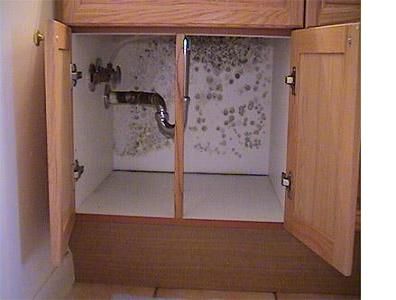
So, black mold should I be worried? The answer depends on your exposure level and the symptoms you experience. Certain factors increase concern:
In a recent case, the Smith family in Atlanta noticed their young son developing recurrent respiratory issues. Their concern was whether black mold should I be worried, especially since they had experienced recent water damage after a storm. They contacted Maxx Restoration, who conducted a thorough mold inspection. The professionals confirmed the presence of black mold and advised immediate remediation to prevent further health issues.
Ignoring black mold can lead to several problems, both health-related and structural:
A real-world example can be seen in an apartment complex in New York City where residents ignored the initial signs of mold in the laundry area. Over time, the mold spread throughout the building, causing health complaints and significant repairs, illustrating the importance of early detection.
Upon noticing signs that black mold should I be worried, the first step is not to panic but to act decisively. Here’s what you should do:
Mold loves high humidity environments.
.png/:/cr=t:0%25,l:0%25,w:100%25,h:100%25/rs=w:1280)
Too much humidity, usually Relative Humidity (RH) 60% or higher can cause mold development.
The U.S. Environmental Protection Agency suggests that RH should be maintained between 30-50% to maintain a healthy indoor environment.
Your kitchen exhaust hood isn’t just designed to remove the cooking smells, but importantly to discharge the heat and humidity from cooking. You should make certain your hood is connected through piping and directed to exhaust outside the home. Keep in mind this is an appliance and does need maintenance, so regular cleaning of the filters are necessary to the life of this appliance.
While cooking, keep pots covered – well except when you want to check on the food.
Keeping pots covered while cooking will cut down on the amount of moisture pumping in your home.
For your dishwashing machine, make sure you frequently check the seals and gaskets for leaks. Remember these too are water appliances, and when in use, they are spraying hot water so when you open the door your exposing the hot, wet, interior of the dishwasher to your kitchen. This causes the humidity to increase in this area.
.png/:/cr=t:0%25,l:0%25,w:100%25,h:100%25/rs=w:1280 "Mold Damage in a Kitchen")
Professional remediation services are crucial for ensuring complete removal of black mold. While DIY solutions might seem appealing, they are often inadequate and can sometimes lead to further spread.
Maxx Restoration is a trusted name in the industry, known for their expertise in handling mold problems safely and effectively. Our team uses HEPA filtration, advanced mold removal techniques, and thorough cleaning protocols to eradicate mold and prevent recurrence. For example, their professional approach ensures that your home is thoroughly sanitized, and the risk of mold returning is significantly minimized. Maxx Restoration also emphasizes identifying and addressing the root causes of moisture, which is essential for long-term mold prevention.
While black mold can be an intimidating and potentially dangerous presence in your home, understanding when you should be worried—and what steps to take—can make a significant difference. Black mold exposure can lead to serious health issues, especially for vulnerable populations. That’s why recognizing the signs, acting promptly, and employing trusted professionals like Maxx Restoration is essential.
If you’re facing a suspected mold problem, don’t hesitate to reach out for a consultation or inspection. The sooner you address it, the safer your home and your family will be from the silent threat of black mold. Remember, awareness and swift action are your best defenses when confronted with this hidden hazard.